


On 17 March 2025, the Georgian authorities froze HRHT’s bank accounts in connection with an investigation launched by the Prosecutor’s Office of Georgia into several alleged criminal offences. In response, HRHT issued a statement calling for the Georgian authorities to halt the investigation, annul the court ruling, and lift the illegal freeze on HRHT’s accounts. HRHT appealed against the court ruling, but the appeal was not approved.
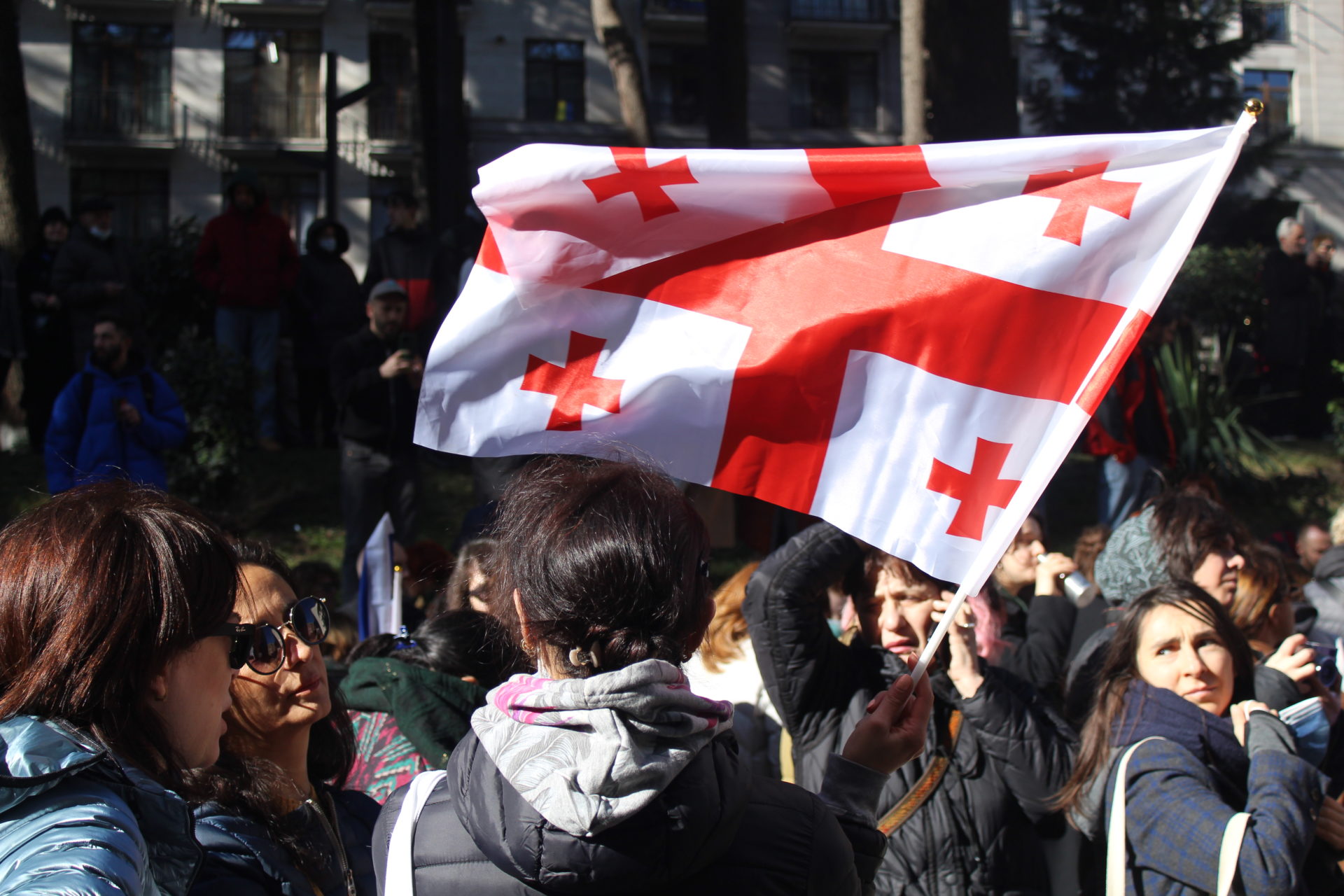
HRHT had been collecting donations to support individuals fined for peaceful protests against the adoption of the increasingly restrictive laws in Georgia, including the Law on Registration of Foreign Agents (FARA). Until the freezing of HRHT’s accounts, citizens who received administrative fines during peaceful protests were able to submit a claim to HRHT’s, website, which covered the fines from voluntary donations. HRHT paid the fines directly to the state budget, paid income tax on behalf of each beneficiary, and ensured full legal compliance. The Georgian authorities had full access to all transactions. Information about all donations that HRHT received, as well as amounts used to pay the fines, was regularly publicised by the organisation. At the time of the accounts being frozen, HRHT had covered 365 fines totalling 843,747 GEL.
HRHT’s activities were in full compliance with the organisation’s charter and with the Constitution and legislation of Georgia, as well as internationally recognised standards. HRHT underlined in its statement that they view “the payment of fines by a human rights organisation as an expression of solidarity. Solidarity and the protection of people from poverty are integral parts of Georgian culture and tradition.” By collecting donations and supporting the fines of peaceful protesters, HRHT was supporting the right to peaceful assembly.
An “all-out assault” on human rights and civil society organisations
Since April 2024, Georgia’s ruling Georgian Dream party has conducted what international human rights organisations, including Human Rights House Foundation, have described as an “all-out assault on human rights and civil society organisations in the country”.
The authorities have passed several laws restricting NGOs and media, including anti-LGBT+ measures and a Russian-style “foreign agent” law (FARA). Adopted in March 2025, FARA forces groups receiving foreign support to register as “foreign agents” or face fines and up to five years in prison. The pro-government Anti-Corruption Bureau is enforcing it, targeting major NGOs, freezing accounts, and warning of criminal liability.
Human Rights House Foundation and other INGOs repeatedly called for the Georgian authorities to immediately and unconditionally end all persecution of civil society.
A regional institution for human rights
HRHT was established in Georgia in 2010 by five prominent and independent Georgian human rights organisations. In the fifteen years since its establishment, HRHT has played a crucial role in Georgia as a champion of human rights in Georgia, working to increase awareness on human rights, support freedom of expression & assembly, empower human rights activists and protect the right to be a human rights defender. HRHT has also acted as a hub for civil society from all over the country and beyond, and as a place where citizens could come and receive free advice on human rights.
In addition, HRHT became one of the most important regional actors providing support to human rights defenders and their organisations at risk from countries including Azerbaijan, Belarus, Russia, and Ukraine. HRHT also played a key role in the Network of Human Rights Houses’ Protection Programme, which provides psycho-social, legal, and other essential services to human rights defenders.

 was forced to suspend all activities as a result of the ongoing crackdown on civil society in Georgia. This follows the Georgian authorities' decision in March to freeze all of HRHT’s bank accounts. &redirect_uri=http%3A%2F%2Fwww.facebook.com%2F)