


On 18 June 2025, the Supreme Court of Justice of Moldova upheld the right of the “Susținere” Union of Medical Workers —an independent union founded during the COVID-19 pandemic—to be provided, free of charge, with premises and essential conditions for its operation, as guaranteed by Moldovan law. This decision ended a four-year legal battle against the Bălți Clinical Hospital and validated lower court rulings in favour of the union. This victory would not have been possible without sustained legal, advocacy and capacity-building support of the union by the Association for Human Rights Lex XXI (ADO Lex XXI).
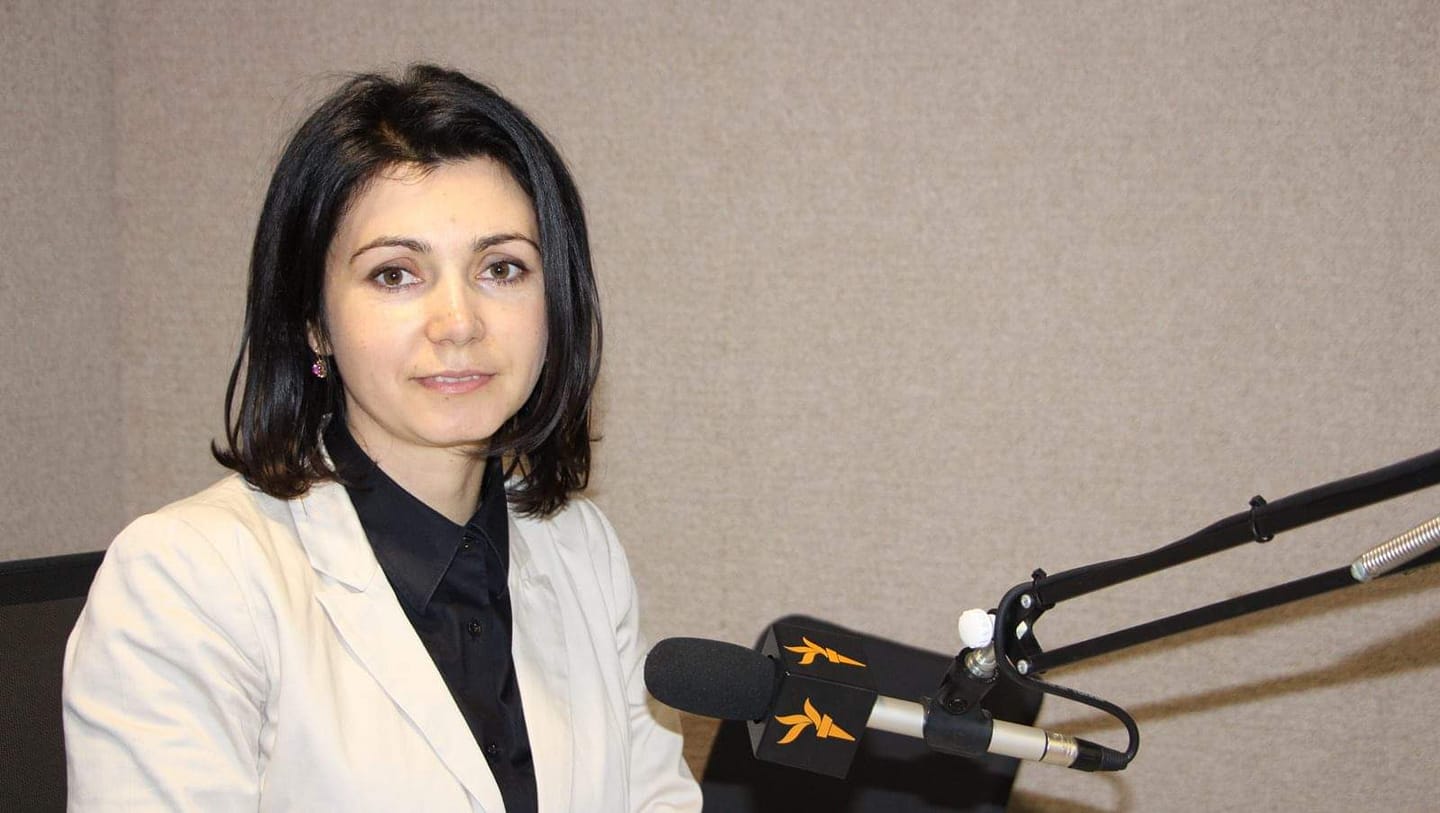
“The legal victories achieved by Susținere marked a turning point—not only for us, but for Moldova’s independent labour movement more broadly,” shared Diana Grosu, President of ADO Lex XXI. “When the Balti Clinical Hospital was forced by court order to grant the union a space and the necessary working conditions…”
It wasn’t just a room that was reclaimed—it was dignity, legitimacy, and a foothold for independent organising in Moldova’s healthcare system.
In 2021-2023 ADO Lex XXI and Susținere were supported by Human Rights House Foundation through two projects funded under the EU-funded STRONG Civil Society programme: Human Rights in the Medical System (2021) and Human Rights in the Healthcare System – Phase II (2022–2023). “Labour rights remain a persistent issue in Moldova’s medical field. These projects challenged the system and paved the way for stronger labour rights protections through the establishment of an independent union,” says Grosu.
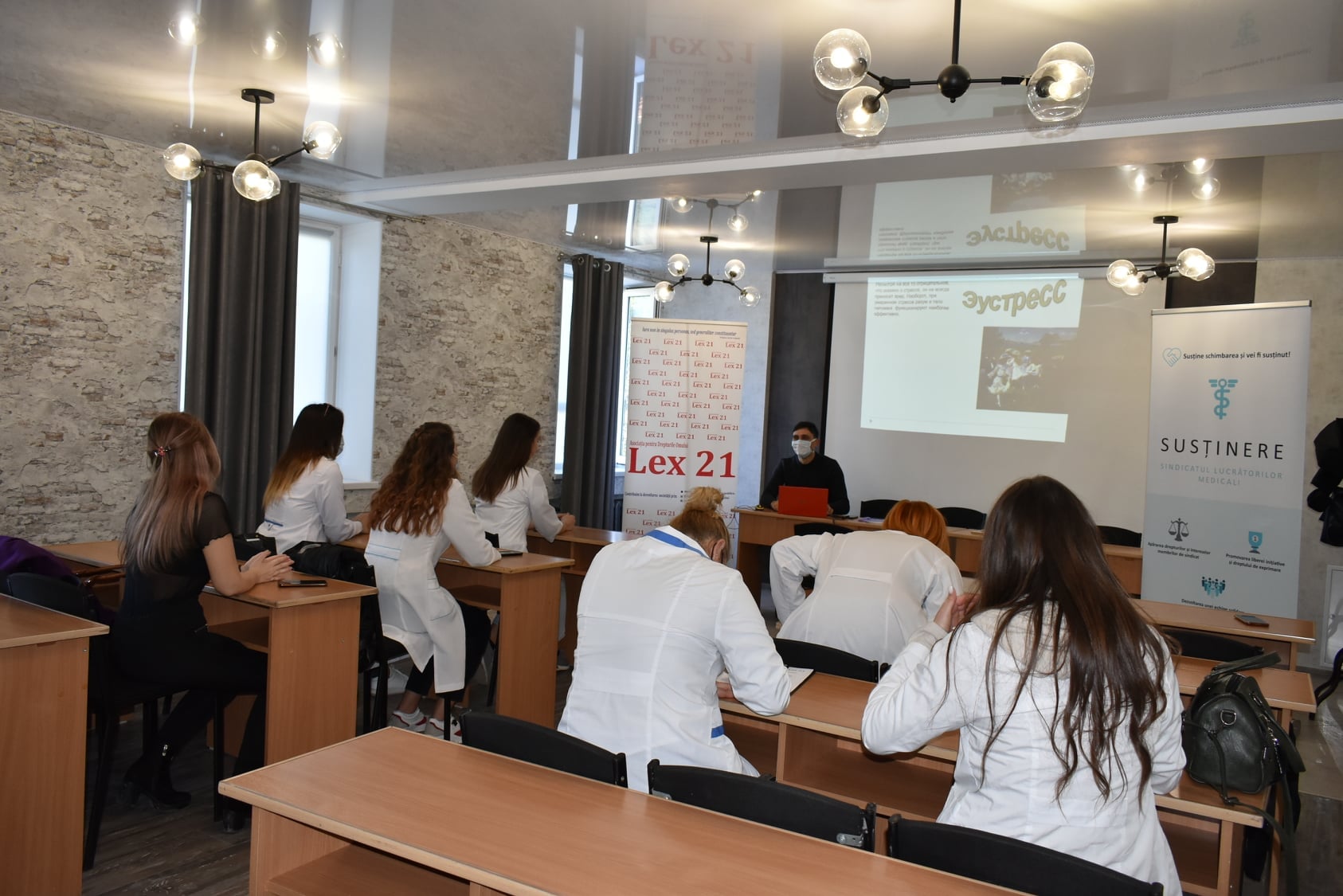
Within the projects, ADO Lex XXI provided legal aid to Susținere members, supported landmark individual cases, and empowered Susținere through capacity-building efforts. In 2021, through targeted training—on advocacy, stress management, legal rights, and negotiation techniques—dozens of union members built their resilience to be able to effectively engage with hospital management and national institutions.
Through 2022-2023 they continued with cross-border study visits to Romania, teambuilding and wellbeing support. Susținere‘s work was also captured in the publication Heroes in White, which shared the personal stories of six medical workers who stood up for their rights to association and raised awareness about the right to freedom of association, rights at workplace, etc. One such voice is Aliona Turcan, whose story was featured in the book:
“I have been a member of the unions for 32 years, and I have never written any application for it, – I became a member automatically, overnight. In 32 years of union…we were given a New Year’s gift for the children. And that was it. Those unions never got involved in defending our rights. On the contrary, they worked hand in hand with the administration,” shared Turcan.
Symbolic Legal Cases That Sparked Change
Throughout the project, ADO Lex XXI supported multiple cases involving unfair dismissal, workplace discrimination, and retaliation against union members. Grosu recalls two cases that left a lasting impact.
One involved a nurse, Marcela Bagrin, a person with disabilities, and one of the founding members of Susținere. Grosu shared that “After being declared ‘unfit for duty’ by a hospital commission—a move widely viewed as retaliation for her union activity—Bagrin was dismissed. ADO Lex XXI challenged the dismissal on several fronts: first before the Ombudsman, then the Moldovan Council for Preventing and Eliminating Discrimination, and finally in court. Marcela was fully reinstated and received all her unpaid wages. Today, Marcela continues to work in the position from which she was removed—proof not only of her personal strength, but also of what determined legal and civic action can achieve.”
Another milestone case involved Dr. Liliana Tipa, who was demoted and denied leave after joining Susținere. According to Grosu, Tipa, supported by ADO Lex XXI, brought her case before the Bălți District Court and won, securing reinstatement and full compensation. However, she chose to take a different path—becoming Director of the Centre for Temporary Placement of Adults with Disabilities in Bălți, where she now leads institutional reforms.
“These cases show not only what is legally possible but also how individuals can shape their futures with dignity, even after facing targeted retaliation,” said Grosu.
A Source of Hope Despite Resistance and Resource Scarcity
The impact of Susținere has extended far beyond Bălți. “Doctors from Cahul to Soroca have reached out, eager to replicate the model,” said Grosu. One such example is Acțiune—a new independent union launched at Medpark Hospital in Chișinău, supported by ADO Lex XXI through legal mentorship.
“Yes, the landscape is changing,” Grosu noted. “But the change has been paradoxical—greater visibility has brought greater hostility. This quiet wave of resistance is met with systematic pressure: workers face threats, are denied leave, demoted, or even dismissed simply for affiliating with an ‘uncomfortable’ union. It’s more a growing storm than a settled sea.”
The June 2025 Supreme Court ruling was more than a legal milestone—it was a validation of years of grassroots effort. “For Susținere, it meant the right to gather, speak, and act without being treated as intruders in their own workplace,” said Grosu.
For us at ADO Lex XXI, it confirmed that legal advocacy can carve out real space for democratic organising, even within rigid institutional settings. More broadly, it showed that Moldova’s legal framework for union protection can be activated effectively—but in practice, enforcing those rights still demands persistent legal effort. The ruling brought hope to others watching from the sidelines, especially in sectors where forming alternative unions remains difficult.
“The support from the Human Rights House Foundation, [within the STRONG Civil Society project], has been a lifeline for our work with Susținere. Without it, we wouldn’t have had the capacity to help establish the Susținere, let alone sustain it through legal battles, trainings, and advocacy. This support didn’t just strengthen one initiative—it helped build an entire model of resistance that is now inspiring others across the country. It’s a clear example of how targeted funding can plant the seeds of long-term structural change.”
Grosu notes that the broader funding landscape for freedom of association in Moldova remains extremely limited—especially for independent unions in sensitive sectors like healthcare. Yet the need for donor support is urgent. “Unions like Susținere are not only advocating for workers’ rights—they are creating a rare space for democratic participation in institutions where alternative voices are often discouraged. Without sustained support, these unions risk being isolated and overpowered.”
These great results of the joint work of ADO Lex XXI and Susținere remind us that change takes time—but with persistence and support, even the most vulnerable voices can shift the balance toward justice. Daiva Petkevičiūtė, Human Rights House Foundation
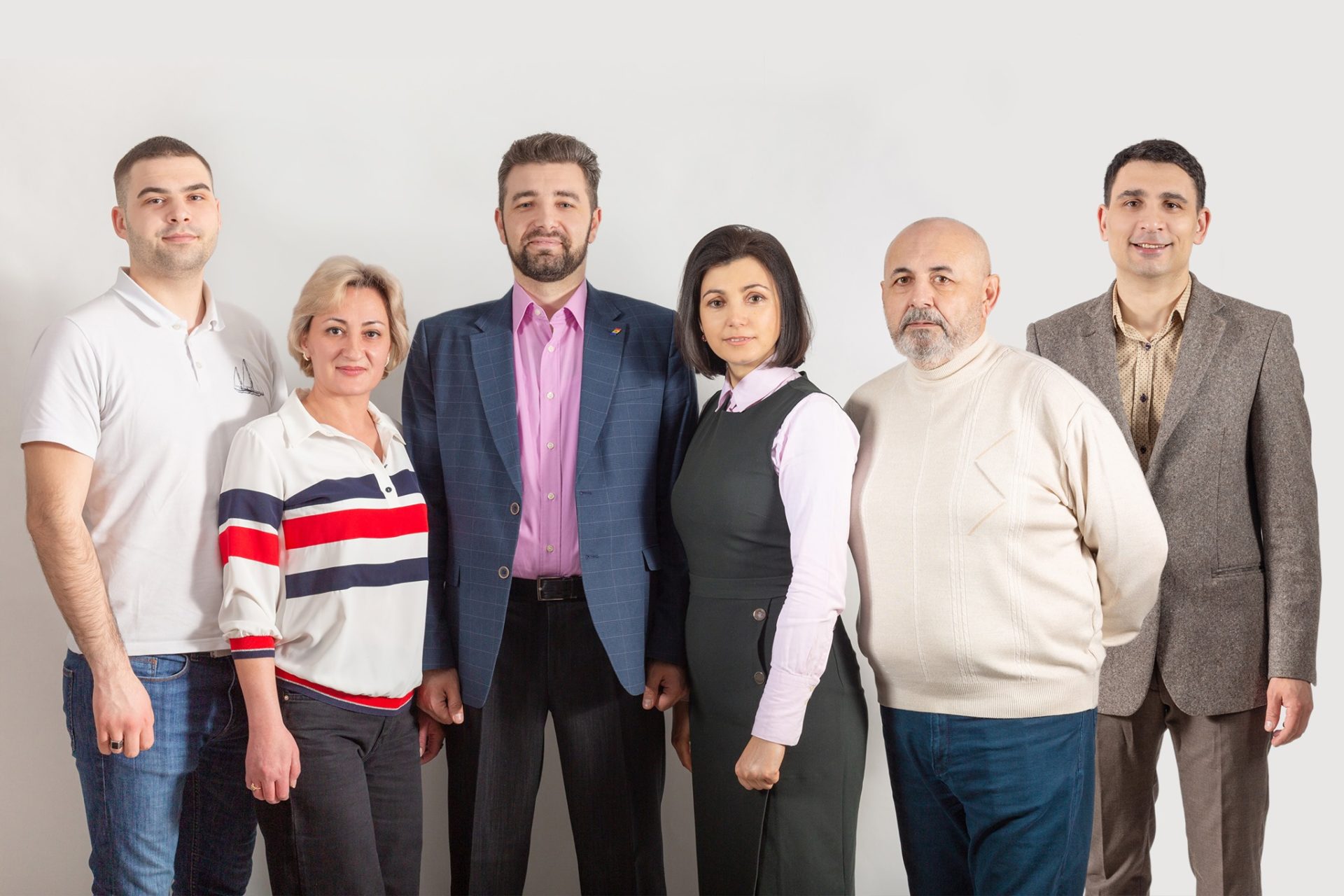
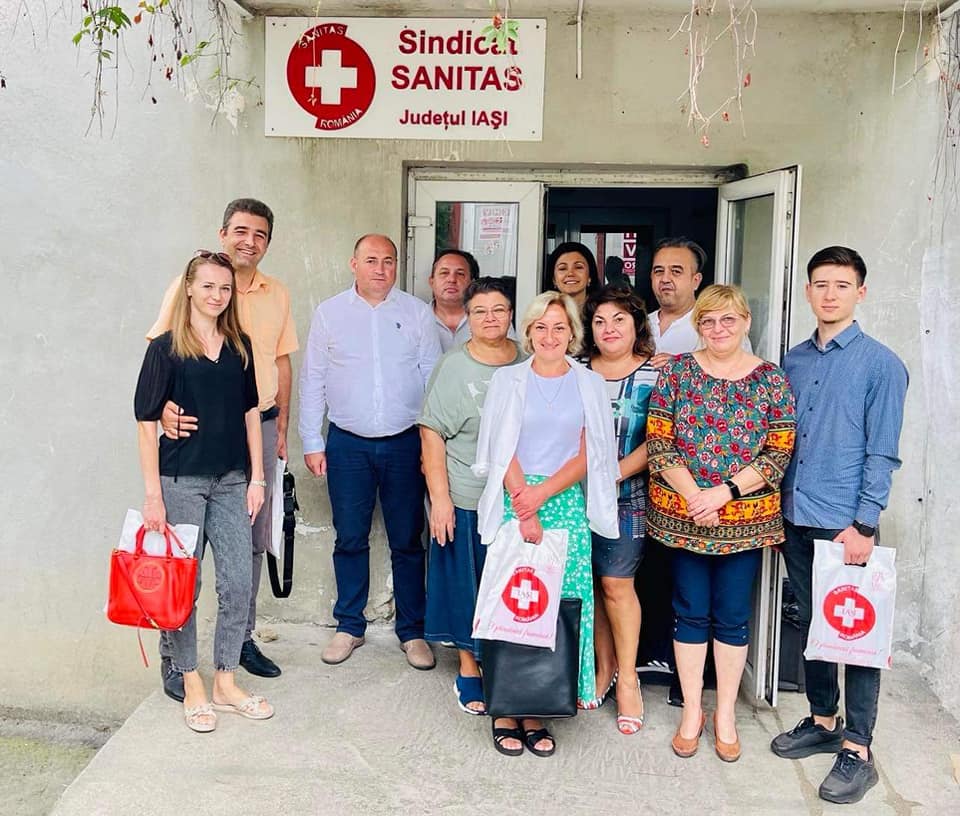
Top photo: Members of Susținere Healthcare Workers Union from Bălți, Moldova, picture after the advocacy meeting held under the project Human Rights in the Healthcare System – Phase II (2022–2023), aimed at strengthening representation and support for healthcare professionals in the region. Photo credit: ADO Lex XXI, 2023.
From July 2020 to January 2024, Human Rights House Foundation implemented the STRONG Civil Society, aimed at strengthening the role that civil society plays in the democratisation processes in Armenia, Azerbaijan, Belarus, Georgia, Moldova, and Ukraine. STRONG Civil Society was co-funded by the European Union and the Norwegian Ministry of Foreign Affairs. Read more.

