



Warsaw Human Dimension Conference – Plenary 3 – Democratic Institutions
HRHF oral intervention
8 October 2025
Check against delivery.
Thank you chair and panellists.
My name is Dave Elseroad. I am a representative of the Human Rights House Foundation.
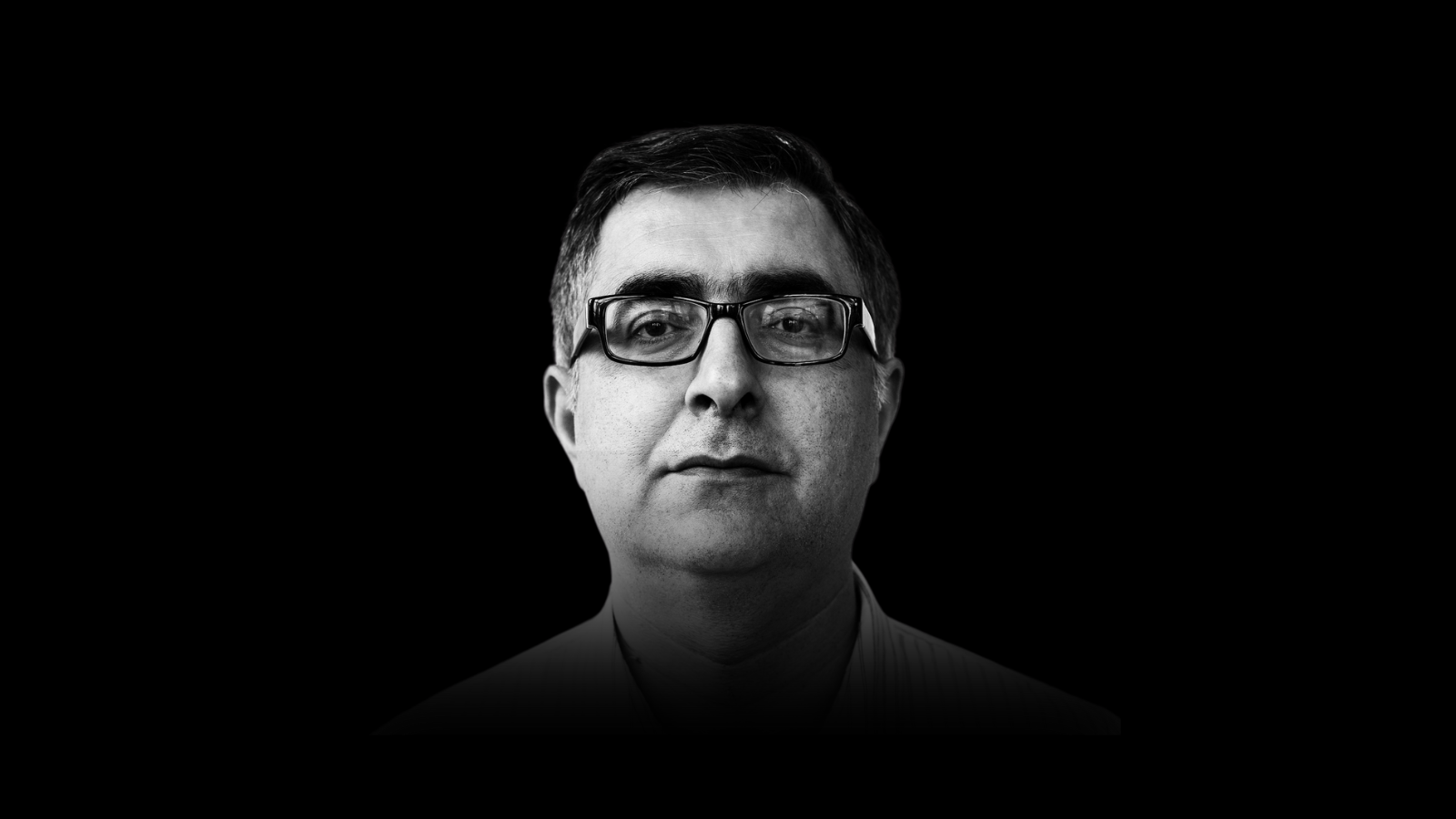
We would like to use part of this statement today to provide a platform for our friend and colleague Anar Mammadli. Anar is the co-founder of the Azerbaijani NGO Election Monitoring & Democracy Studies Center, a frequent participant in OSCE human dimension proceedings, and, for the second time in his life, a political prisoner in Azerbaijan. His case is emblematic of the situation facing human rights defenders, including journalists and media workers, in Azerbaijan.
Anar was arrested in April 2024, after advocacy activities at the OSCE, in what can only be described as a direct reprisal for his independent and legitimate election observation efforts and human rights work in Azerbaijan. It’s an important reminder that this organisation has no mechanism for tracking and reporting on reprisals for engaging with it in the promotion and protection of human rights.
Two weeks ago, at the start of his politically motivated trial in Baku, Anar presented an opening statement before the Baku Court of Grave Crimes, challenging the legitimacy of his arrest and the arrests of more than 300 other political prisoners in Azerbaijan, and putting the work of the Azerbaijani authorities to silence dissenting voices under stark review.
To quote Anar, who is unable to be here today:
“Throughout the past two decades, I have contributed to election observation primarily with the support of international organizations. . . In doing so, I have sought to foster a climate in which Azerbaijani election commission members refrain from interfering in citizens’ right to vote and from falsifying the ballots cast.”
“Drawing on my experience in human rights defense, I must note that our country is currently enduring one of the most severe periods of political repression in its history.”
“It should be noted that the practice of presenting the work of human rights defenders and civil society activists as criminal activity first emerged some 20 years ago in authoritarian post-Soviet states such as Russia and Belarus. . . Since 2013, the Azerbaijani authorities have likewise adopted this practice—criminalizing the work of civil society and human rights defenders in the same way as Russia and Belarus. . . Indeed, over the last 15 years, every regressive amendment adopted by the Azerbaijani parliament concerning elections, political parties, the media, the legal profession, and the work of both local and international non-governmental organizations has been grounded in the authoritarian precedents set by Russia. This longstanding trend makes it clear that for authoritarian regimes in the post-Soviet space, including Azerbaijan, the Kremlin serves as the political compass for suppressing freedoms and enforcing political repression.”
This is just a portion of his statement, the entirety of which I will place on the conference website for delegations.
Moderator.
In light of this statement from Anar Mammadli, I’d like to ask the panelists two specific questions:
- What responsibility do OSCE member States have to establish a mechanism to track and report on reprisals against those who engage with human dimension mechanisms, including journalists?
- What recommendations do you have to participating States to support independent election monitors, and human rights defenders, including journalists, in Azerbaijan?

